Futures Hustler
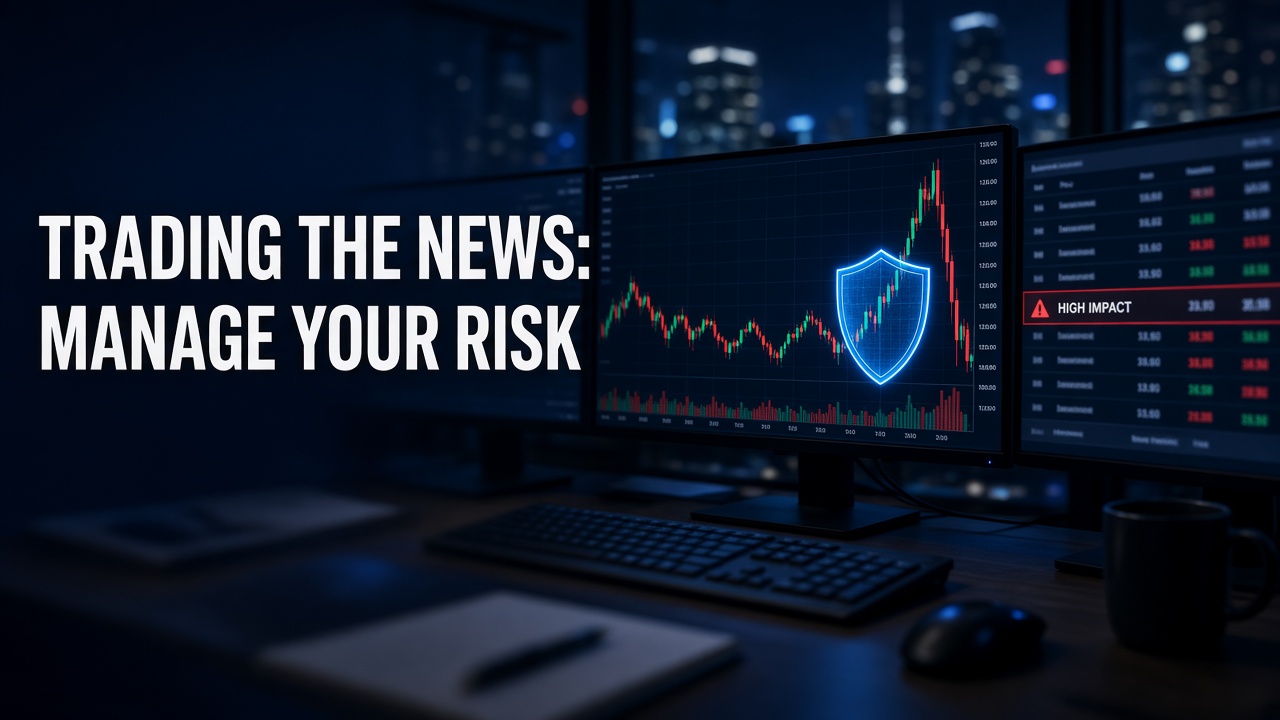
Here's how to protect your account when the big numbers hit.
1. Know the calendar before you place a trade
Every trading day should start with an economic calendar. Note the exact release time in your own time zone, how much impact it's expected to have, and whether a press conference follows. A Fed decision, for example, comes with two volatility windows: the statement, then the Chair's press conference 30 minutes later.
If you don't know a release is coming, you're not managing risk. You're gambling.
2. Understand what happens to price at the release
Around major news, markets behave differently:
Liquidity thins out. Market makers pull orders in the seconds before the number.
Spreads widen. The price you see isn't always the price you get.
Slippage increases. Stop orders can fill well beyond your level when price gaps.
Whipsaws are common. The first move is often reversed within minutes.
A stop-loss is a plan, not a guarantee. In a fast market, it can fill far from where you set it.
3. Choose your approach: flat, reduced, or prepared
There are three sensible ways to handle a major release:
Stay flat. Close open positions and wait out the release. This is the simplest and safest option, especially for newer traders. There's no rule that says you have to trade the news.
Reduce size. If you want to hold a position through the release, cut your size so that a worst-case gap still keeps your loss within your daily limit.
Trade after the dust settles. Let the first 5 to 15 minutes play out, then look for a cleaner setup once spreads normalize and direction becomes clearer.
4. Size every trade from your maximum loss
Before any news-driven trade, decide how much of your account you're willing to lose, then work backwards to your position size. Many traders risk 1% or less per trade, and less again around high-impact events. Always size from the worst case, including slippage, not the best case.
5. Use hard limits, not willpower
Set rules before the session starts and stick to them:
A maximum daily loss that ends your day when it's hit
No adding to losing positions during volatility
No revenge trades after a fast loss
A fixed number of trades allowed around a release
Emotions run hottest when price is moving fastest. Rules made in a calm moment protect you in a chaotic one.
6. Check your broker and platform
Know how your broker handles news: margin requirements can rise before major events, some platforms restrict order types, and connection issues hurt most when volatility spikes. Have a backup way to reach your broker in case your platform freezes.
7. Review every news trade
After each release, write down what you planned, what you did, and what happened. Over time you'll see which events suit your style and which ones you're better off sitting out.
The bottom line
Major news releases reward preparation and punish improvisation. Know the time, respect the volatility, size for the worst case, and remember that being flat is a position too. Protecting your capital today is what lets you trade tomorrow.
Want a structured approach to trading around the news? Explore our trading plans at futureshustler.com.
This article is for educational purposes only and is not financial advice. Trading futures involves substantial risk of loss and isn't suitable for every investor.